
Recent graduate’s glaucoma research published in Nature Portfolio journal
Mathew Seidel’s research explores how changes in a type of fat found in cell membranes may contribute to glaucoma — insight that could improve diagnostic and treatment methods
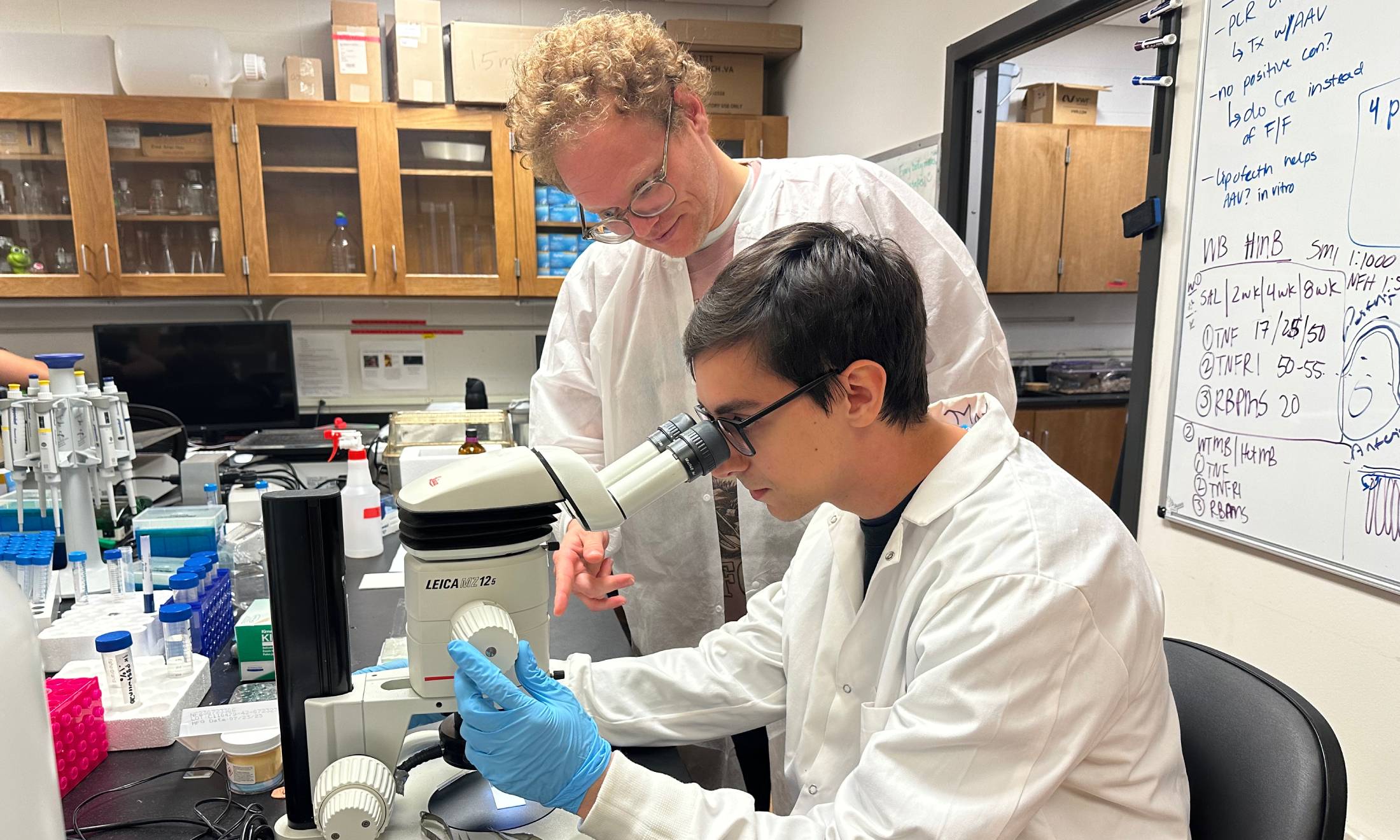
With guidance from mentor Michael Risner, Ph.D., Mathew Seidel conducted research on glaucoma that was recently published in the journal Scientific Reports.
Research and Discovery, Student Spotlight, University News
 September 25, 2026
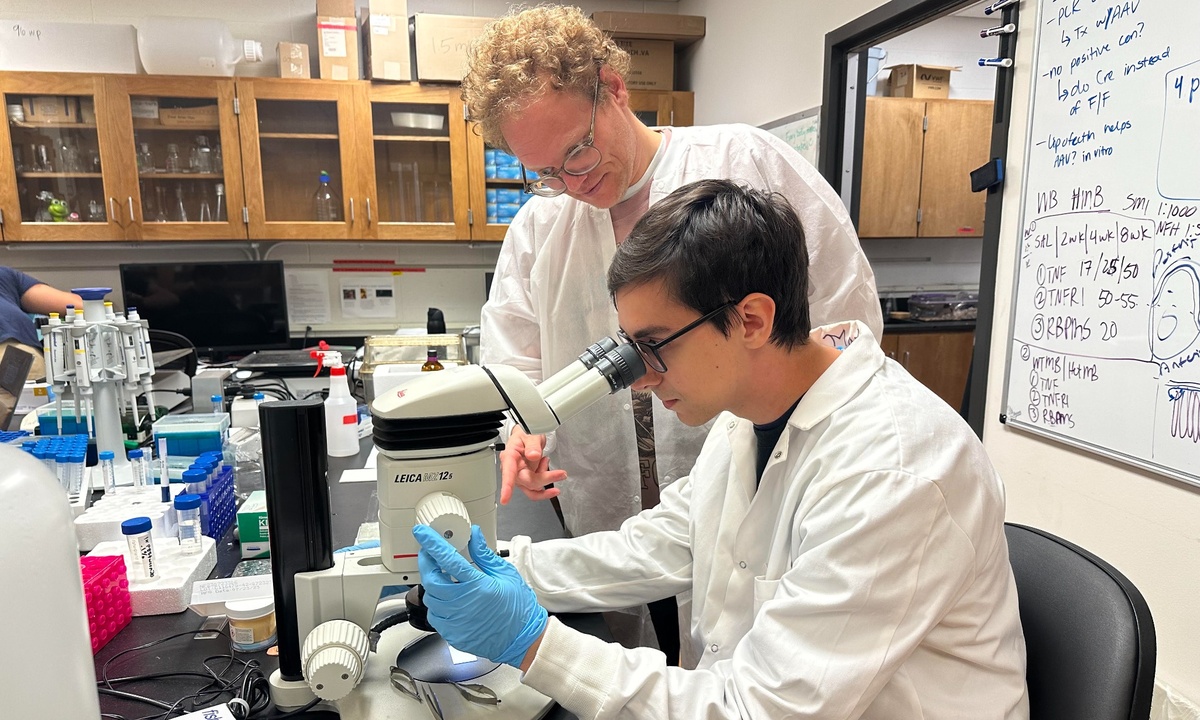
Research conducted by recent Oakland University graduate Mathew Seidel through OU’s Eye Research Institute has been published in Scientific Reports, a Nature Portfolio journal.
The study examines changes in a type of lipid, or fat, found in cell membranes (sphingomyelin), as well as an enzyme that breaks down the fat (sphingomyelinase), in human eyes affected by glaucoma. Affecting about 80 million people worldwide, glaucoma is a group of eye diseases that can cause vision loss and blindness.
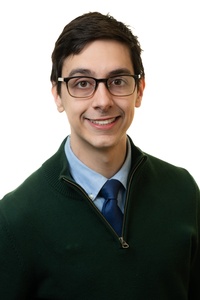
Mathew Seidel
Seidel graduated in April 2026 with a bachelor’s degree in liberal studies and a minor in biology. He conducted the research under the mentorship of Michael Risner, Ph.D., adjunct assistant professor in the Eye Research Institute and assistant professor in the Oakland University William Beaumont (OUWB) School of Medicine.
For Seidel, the project grew out of his experience in OU’s Summer Undergraduate Program in Eye Research, known as the SUPER program. He began working in Risner’s lab through the program in 2024 and has served as a research assistant ever since.
“During the SUPER program, I learned some necessary skills, and we found some preliminary mouse data that inspired this paper,” Seidel said. “The SUPER program served as the foundation that gave me the skills, knowledge and experience that ultimately made this project possible.”
Seidel credits Risner’s mentorship with helping him grow as a researcher and navigate the successes and failures inherent in the research process.
“His experience proved invaluable as he provided mentorship and feedback throughout the project,” Seidel said. “From lab discussions over coffee, late-night emails and enduring plenty of my mistakes, Dr. Risner has shaped me into a more competent researcher. I cannot thank him enough for his time and support.”
Seidel also collaborated with OUWB medical student Het Patel and lab manager Cassandra Warden. Patel, Warden, Risner and Seidel are listed as co-authors on the published paper.
The research found that human glaucoma is associated with reduced levels of sphingomyelin and elevated levels of acid sphingomyelinase in retinal ganglion cells, which transmit visual information from the eye to the brain. According to Risner, these findings could aid clinicians in diagnosing and treating the disease.
“The diagnosis of glaucoma is difficult, relying on measurements that assess tissue degeneration,” said Risner, adding that the only approved therapies for the disease slow, but do not stop, the degeneration of visual tissues. “These results hold promising value in assessing glaucoma diagnosis by measuring sphingomyelin levels, and targeting acid sphingomyelinase as a treatment.”
Risner said Seidel’s tireless drive to succeed was instrumental in bringing the project to publication.
“It has been my pleasure to mentor Mathew in this project, and in his development as a scientist and professional,” Risner said. “His intrinsic determination for success laid the foundation for the many steps it took to see this project to publication.”
Seidel’s determination helped him graduate with honors, and he also received OU’s Alfred G. Wilson Award, which is presented to a graduating senior for strong academics, leadership and service.
He plans to continue working in Risner’s lab while applying to medical school, furthering his efforts to help those affected by vision loss.
“My personal goal with research is to contribute to the scientific community and, ideally, provide a foundation for future treatments against blindness,” Seidel said. “I’m honored to have my work formally published in this capacity, and I hope that it has a meaningful impact for patients.”